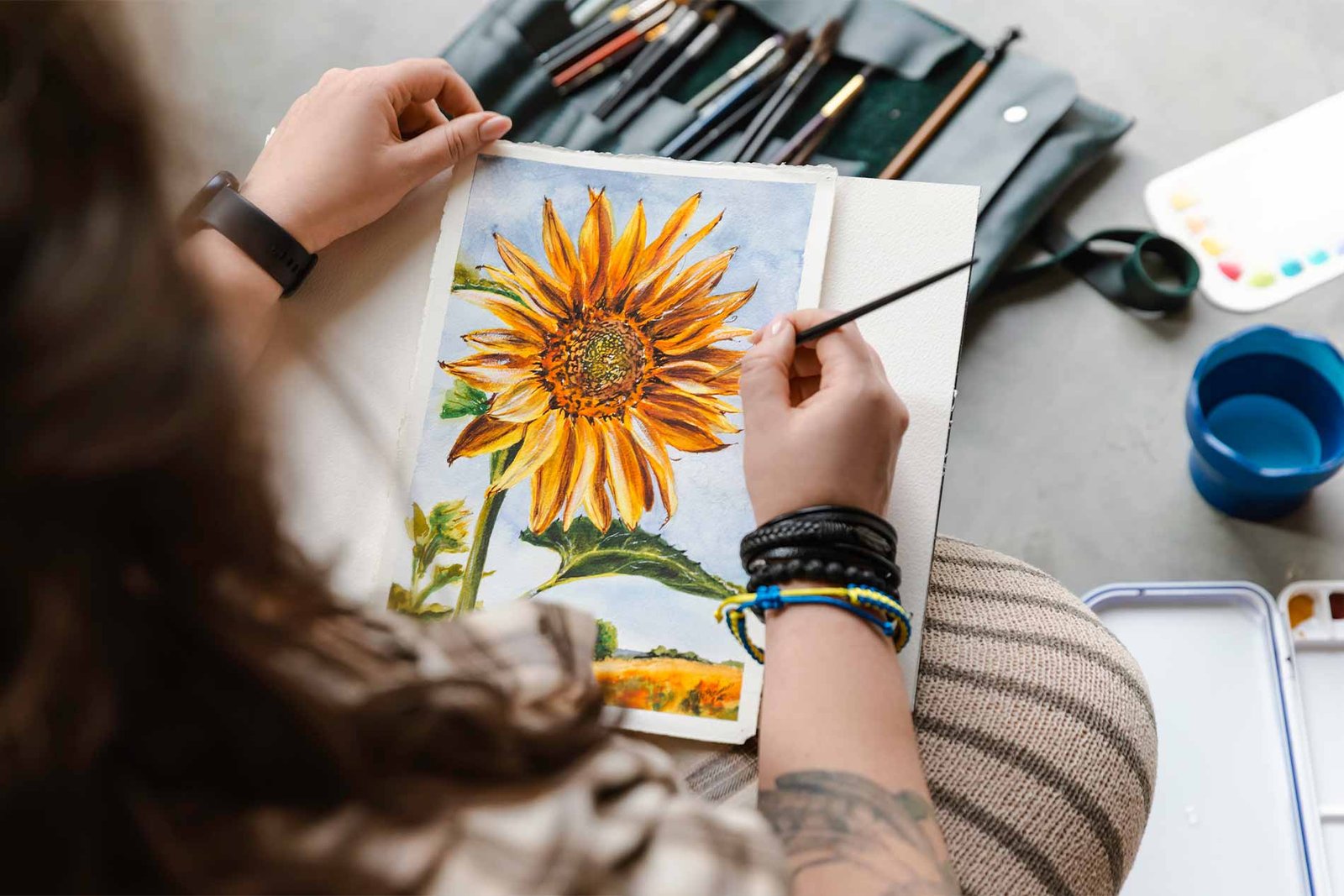
My first group exhibition in London
Lessons from the Boomer Gallery experience
🗓️ From September 6th to 11th, 2024, I took part in the Vogue Seventh Edition exhibition organized by Boomer Gallery in London. It was the very first group exhibition I was selected for, and at that time, it felt like an important step on my creative path.
When I submitted my application for the VOGUE – The Seventh Edition group exhibition by Boomer Gallery, I was still new to the UK and to the art scene. I had only just begun showing my works publicly and was still figuring out what it meant to call myself an artist. So when I received the email that two of my paintings were selected, I was overwhelmed with excitement.
The name of the exhibition, the central London location, and the idea of being “seen” in such a space – all of it made my heart beat faster. For someone who had just come out of the trauma of war and displacement, this felt like a symbolic moment of affirmation. That moment, when I read the acceptance letter, was pure joy.
I submitted two of my favourite works at the time:
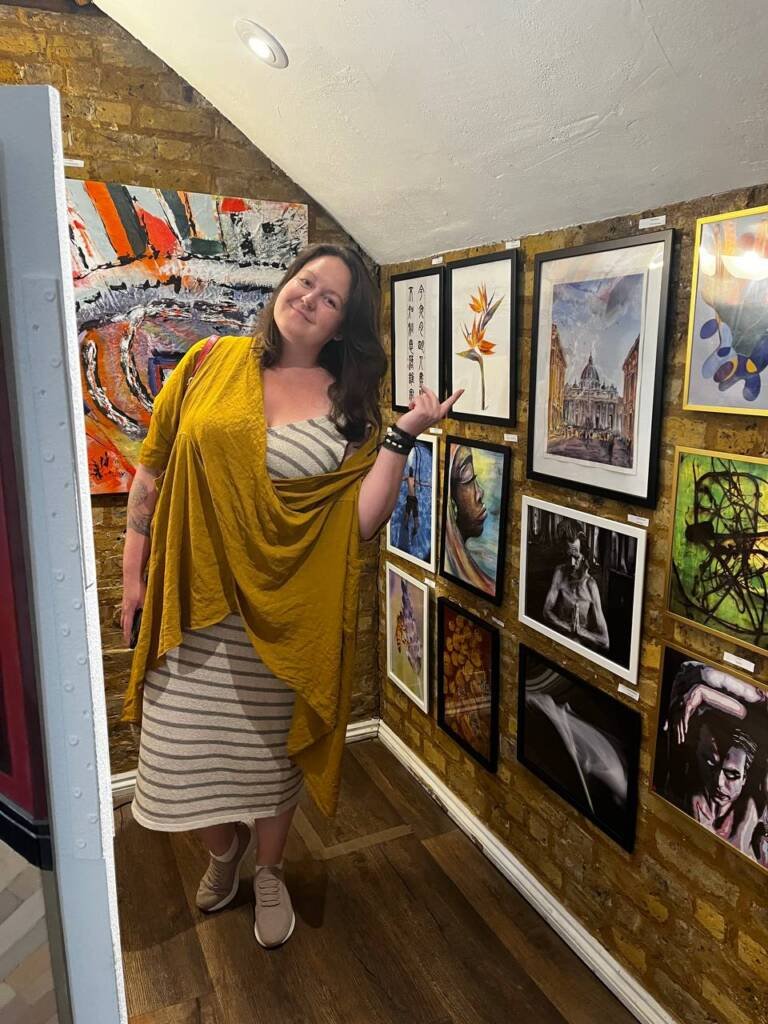
Both are personal and deeply emotional works. Bird of Paradise represents the silent strength and sensuality of nature, while Heart of Vatican captures my reflections on timelessness and sacred space – themes I continue to explore.
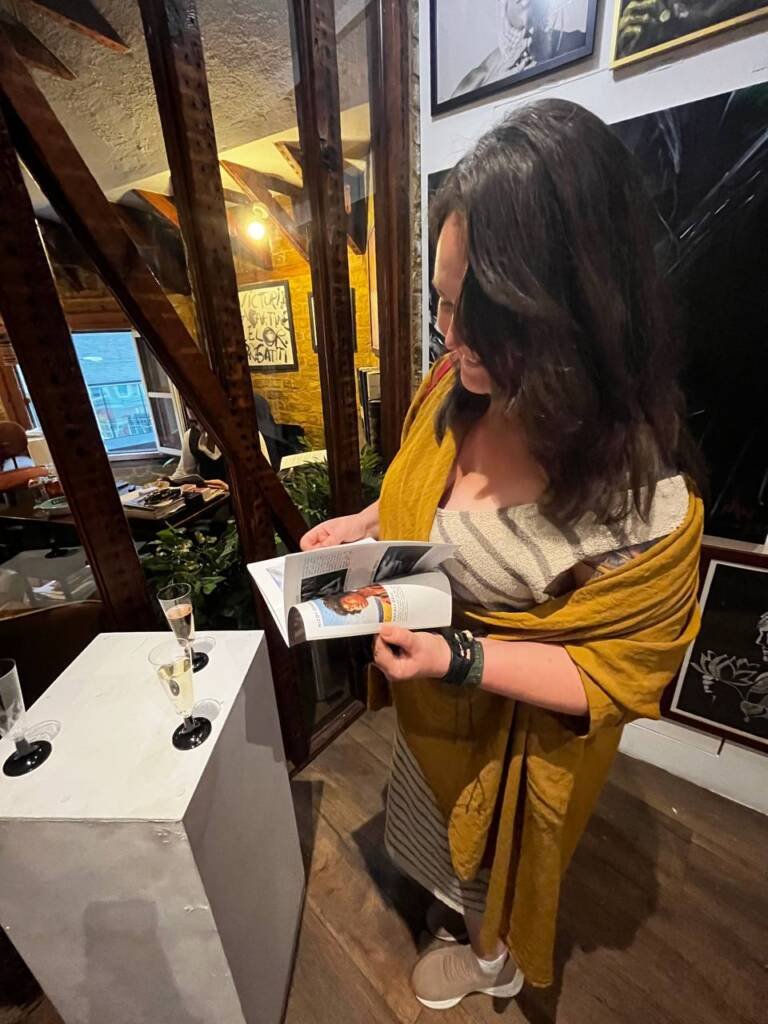
On the day of the opening, I arrived with the kind of anticipation you only feel once in your life. There was champagne, music, beautifully dressed people, and dozens of artworks hung tightly across small gallery rooms. For the first time, I saw my name printed in a catalogue. A catalogue that, while modest, gave me a sense of visibility I had longed for.
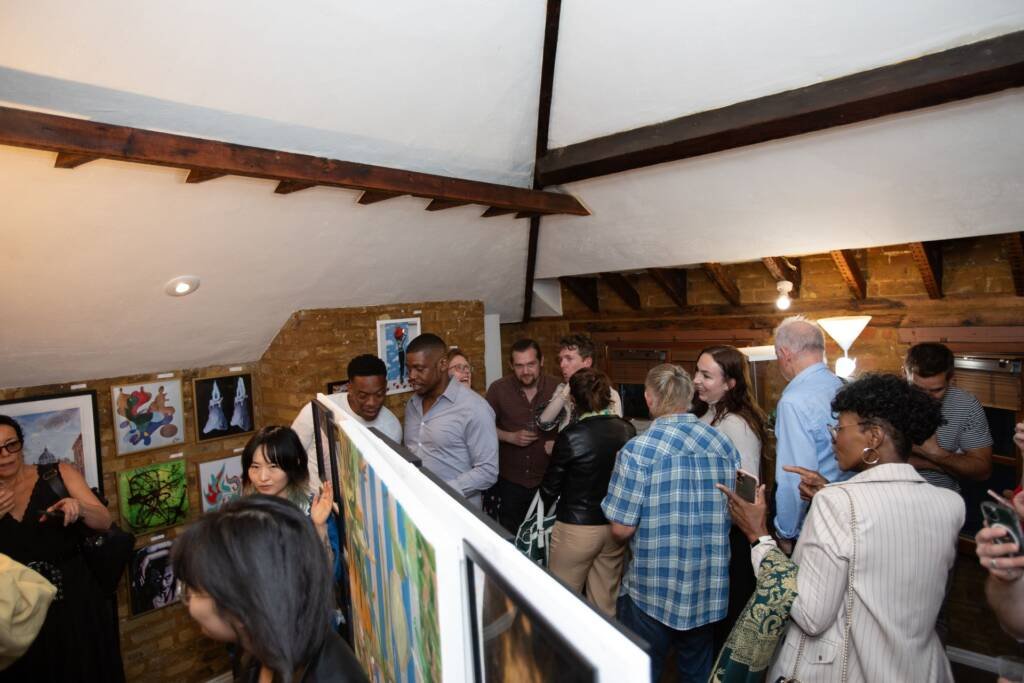
However, as the emotions settled and I reflected on the experience more deeply, I realised it was not quite what I had imagined. The participation fee was quite high. While I understand that organizing exhibitions involves significant costs – like ongoing targeted advertising and catalog production – the participation fee felt disproportionately high compared to what the artist actually receives in return. Artists had to deliver and pick up the artwork themselves, attend the opening in order to actually network. Yes, there was caviar on toast. But the space was packed, and conversations were difficult. Most of the people I encountered were other emerging artists like myself. If any collectors were there, they were difficult to identify or approach.
Would I do it again? Probably not. But do I regret it? No.
Because that moment was a beginning. My first attempt to enter the London art scene. A symbolic step – not a career move, but a personal one. And I learned a lot from it.
So what would I recommend to other emerging artists considering similar exhibitions?
One thing that became clear during the exhibition is that it’s not enough to simply have your art on display; you should actively engage with your audience and promote yourself. Here are a few practical tips for artists on how to maximize their participation at an exhibition:
Engage with visitors: whether you’re shy or outgoing, it’s essential to strike up conversations with attendees. Share the story behind your artwork and be open to questions. People connect more deeply with a piece when they hear about the inspiration and process behind it.
Network with other artists and curators: use this opportunity to build relationships with fellow artists, gallery owners, and potential buyers. Every conversation is a chance to learn, share, and grow your network.
Prepare your elevator pitch: you never know who you’ll meet, so it’s important to have a brief but impactful introduction ready. Practice a short summary of your artistic style, your work, and what makes you unique.
Follow up after the event: after the exhibition, be sure to follow up with the people you connected with. Whether through email or social media, keep the conversation going and build lasting relationships.
Reflecting on the Exhibition Experience
After attending an event like this, it’s crucial to reflect on what worked well and what could be improved. Here’s how to make the most out of every exhibition or event you attend:
Analyze what went right: consider the positive outcomes. Did you make valuable connections? Did people show interest in your work? Reflect on these moments to build on them for the future.
Identify areas for improvement: no event is perfect, and there is always room to grow. Were there missed opportunities for engagement? Could you have presented your work differently? Identifying these gaps can help you improve in future exhibitions.
Keep learning and evolving: every exhibition is a learning experience. Keep notes on what you’ve learned and how you can implement those lessons in your next event. Continuous improvement is key to long-term success.
Each artist chooses their own path. Some steps are emotional, others strategic. This was my emotional step – and even if I wouldn’t recommend the event itself, I still value what it gave me: confidence to continue.
If you’re considering participating in your first exhibition, ask yourself not only what it costs – but what it gives you. Visibility? Experience? Networking? Emotional empowerment? Ideally, a mix of all – but at the very least, it should feel like yours.
Share this article :
INSPIRED POST
Building an artist career: beyond the canvas
01/04/2026
How I organised my first solo art exhibition
10/10/2025
Becoming visible: my solo art
09/23/2025
The flavour of belonging:
08/21/2025
From silence to Castalia…
08/08/2025