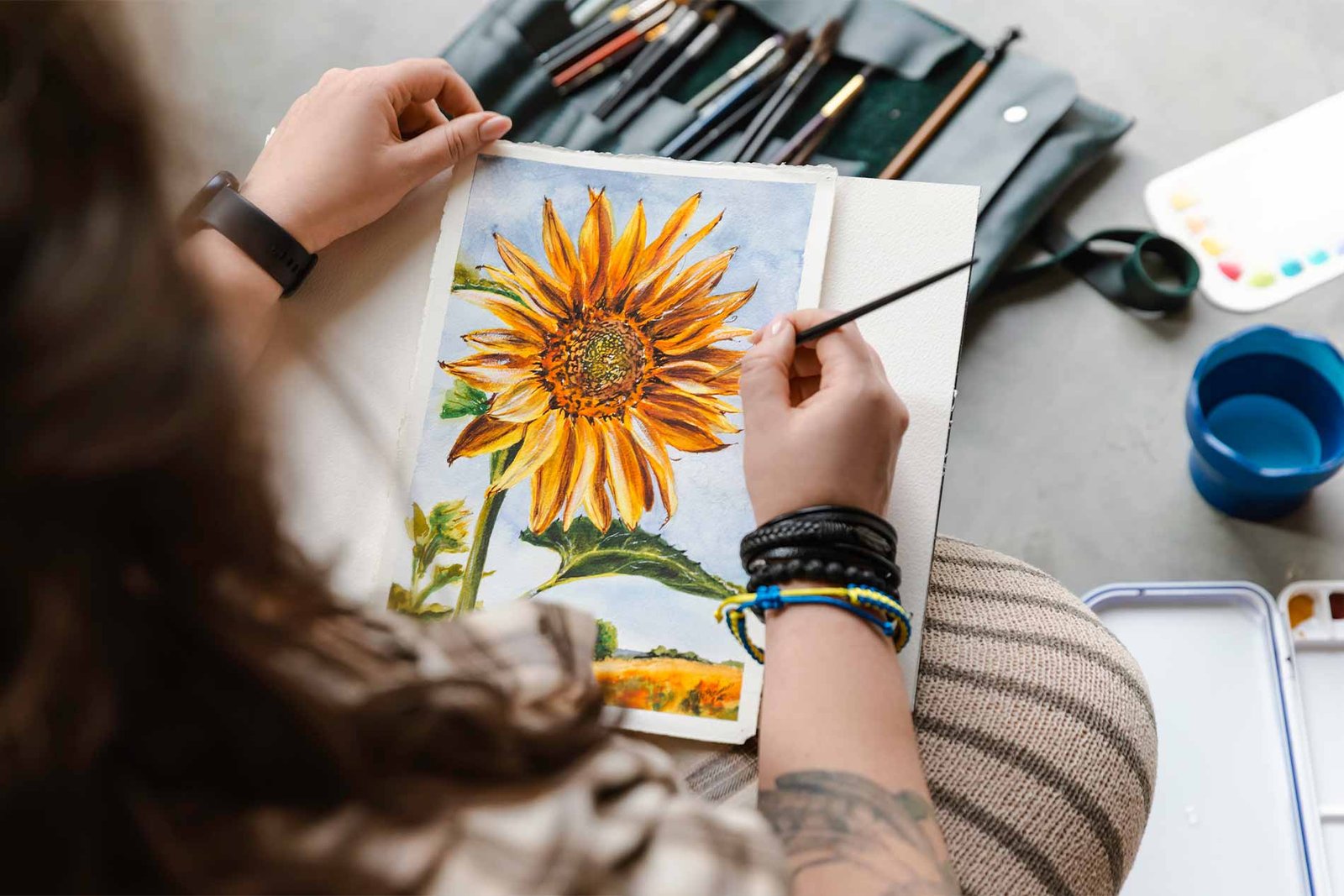
Hobby or Career?
The brave choice every artist must make.
There comes a moment in every artist’s journey when a question arises – quietly at first, like a whisper on the edge of a sketchbook: Is this just a hobby, or am I ready to build a career as an artist? It sounds simple. But for many of us, especially those who took the winding road back to art later in life, it is a terrifying question.
In earlier posts, I’ve written about believing in oneself, and the subtle pushes that can awaken that belief. But let’s be honest: recognising yourself as an artist – and admitting you want to pursue art as a profession – is one of the most vulnerable and courageous things a person can do. At least it was for me.
For the longest time, I never felt good enough. Technically speaking, there was always something to improve. I would look at artists who had been painting since childhood, who had studied fine arts at prestigious schools, and I felt like a fraud. Me? I was self-taught. A woman who once painted in childhood, only to return to watercolours as a way to process grief after losing loved ones.
My inner perfectionist always whispered: “This needs more work. You’re not ready. You’re not a real artist.”
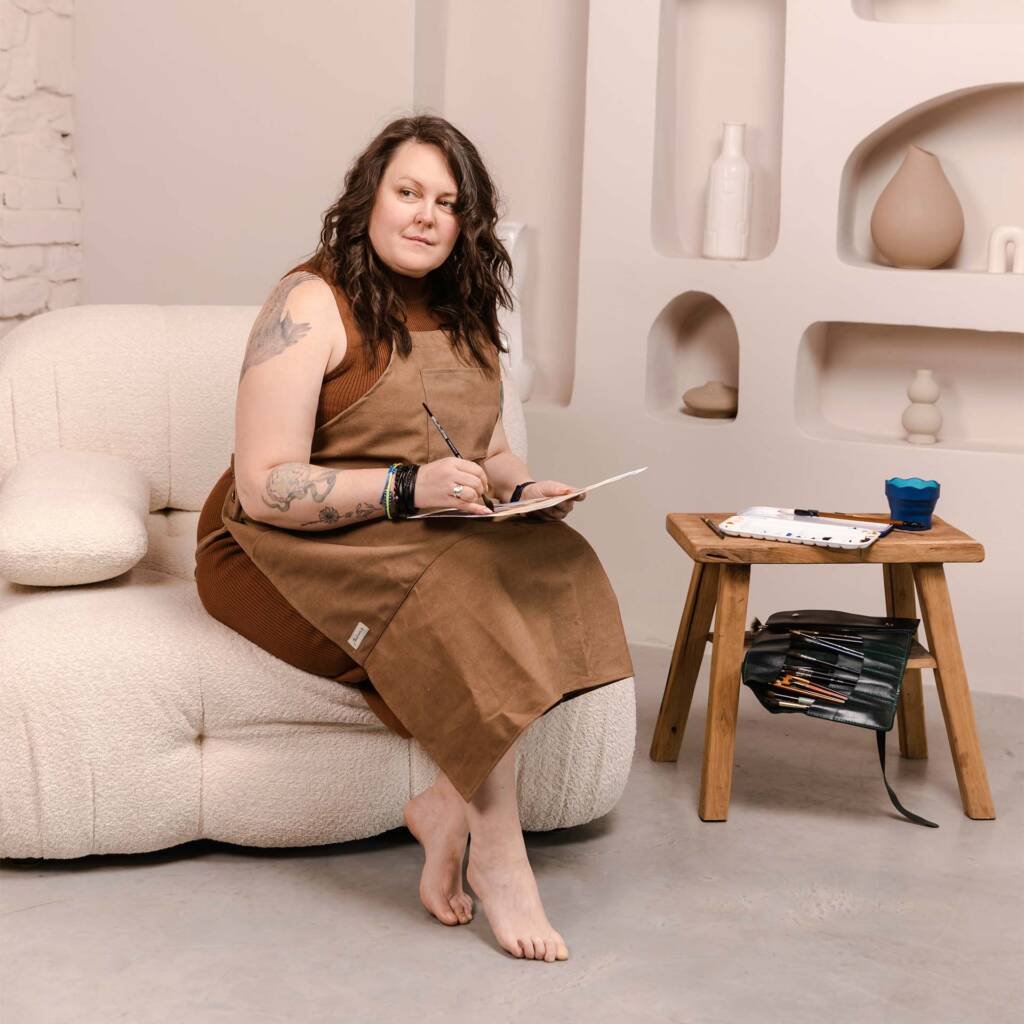
But then something shifted. I started to hear my own voice over the noise. I realised that I didn’t treat painting as a pastime…it consumed my thoughts and filled me with purpose. For over 20 years, I had built and developed marketing strategies for companies across different sectors. What if I invested that same expertise into myself? Into building something real, meaningful, and mine?
Why wait until retirement to give myself permission to create? Why not start now, while my hands are steady and my vision is clear?
That shift in mindset happened around the time I moved to the UK, a country that has continually inspired me. There’s something about British culture, the way it values individuality and craftsmanship, that gave me a sense of possibility. I began applying the marketing systems I knew so well. I made a website. I started building my brand on Instagram. And I genuinely thought I’d be selling artworks within six months, gliding towards my dream of being a “successful artist” measured, at the time, in paintings sold and income earned.
But reality had other plans.
In early 2025, I attended a webinar about how to organise your own exhibition. It was January and I was already dreaming of my first solo show by autumn. The webinar was inspiring, but also incredibly overwhelming. The speaker, Delnara El, spoke about artist statements, CVs, bios, reputation, and professional presentation. And I had no idea what half of those things meant.
It hit me: I was walking a path that led away from the art world, not into it.
I wrote to Delnara after the webinar, hoping she might offer one-on-one mentoring. Her schedule was full until July. And July, in my head, was the month I was supposed to be “shining.” I confessed my plans and asked if I could waitlist.
And then…a miracle. She offered to take me on early.
Our first video call shook me to my core.
For two days, I didn’t cry…I was simply crushed. Why? Because I realised how far I still had to go. I couldn’t just wake up one morning, declare “I’m an artist!”, and expect to live off my paintings. Building an art career is work. Deep, strategic, and personal work.
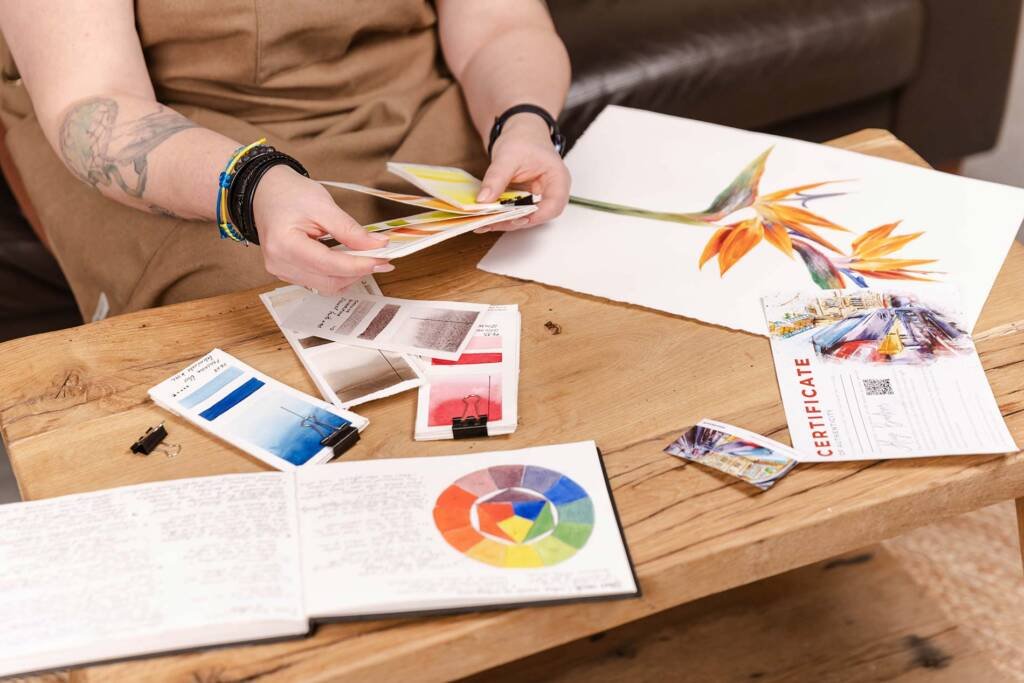
You need:
- A functional planning system and time management approach tailored to your lifestyle.
- A full artist document package: portfolio, artist statement, bio, CV.
- The ability to apply for platforms like Artfinder and understand how to present and price your work online.
- Experience or a clear plan for participating in exhibitions and applying for open calls.
- A solo exhibition concept or a timeline toward building one.
It was panic-inducing.
I didn’t know where to start. But within two days, I made a decision. I would not waste another six months. I now had a guide…a mentor and that meant I could follow a clear path. I could stop wandering.
Here I want to pause and talk about mentors and art curators.
Many artists believe that mentors or curators will do the work for them. That’s not true.
A mentor won’t paint your portfolio or submit your applications. But they will help you see what you can’t. They will guide, challenge, and help you define your unique voice. They hold the mirror up to your process…and your potential.
That’s what Delnara El did for me. She is not just a mentor… she is a bridge. A guide into the art world for those who didn’t come through the traditional gates. You can find her work here and follow her insights here on Instagram.
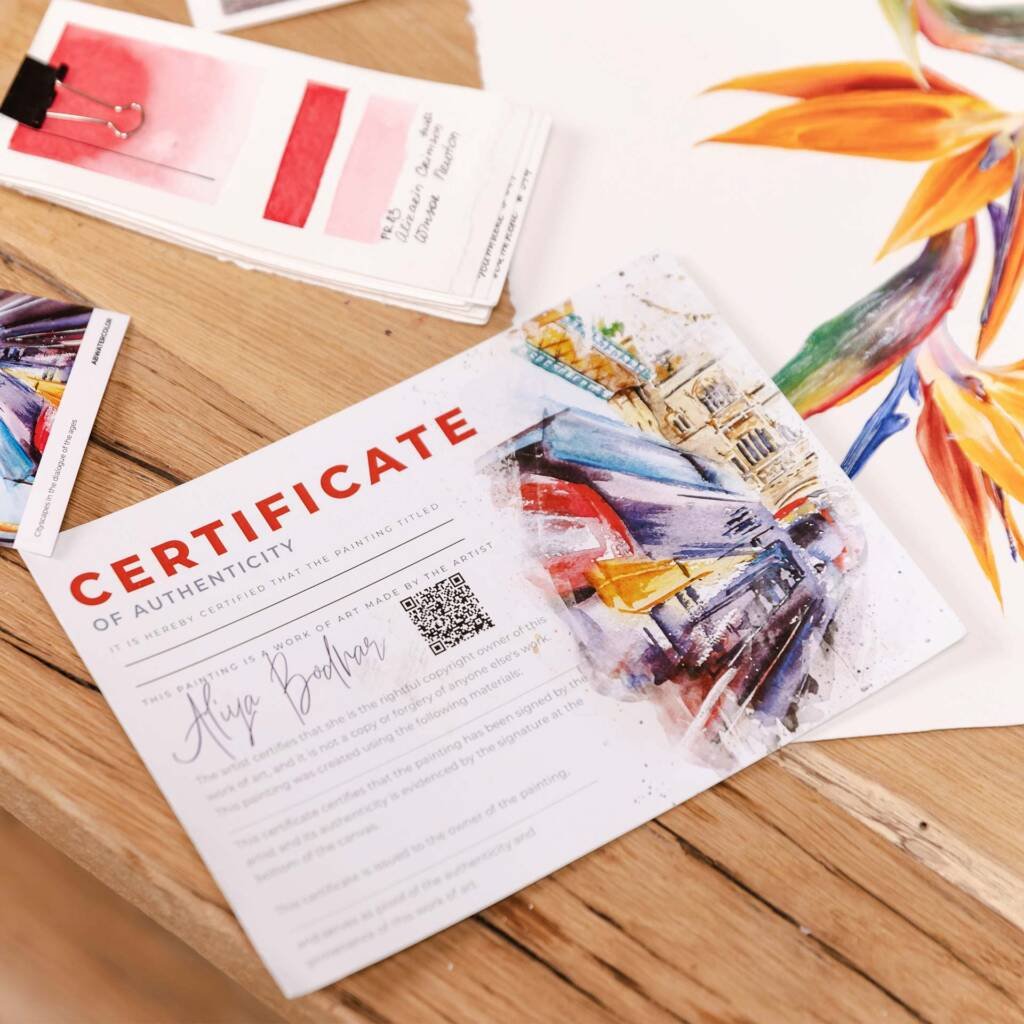
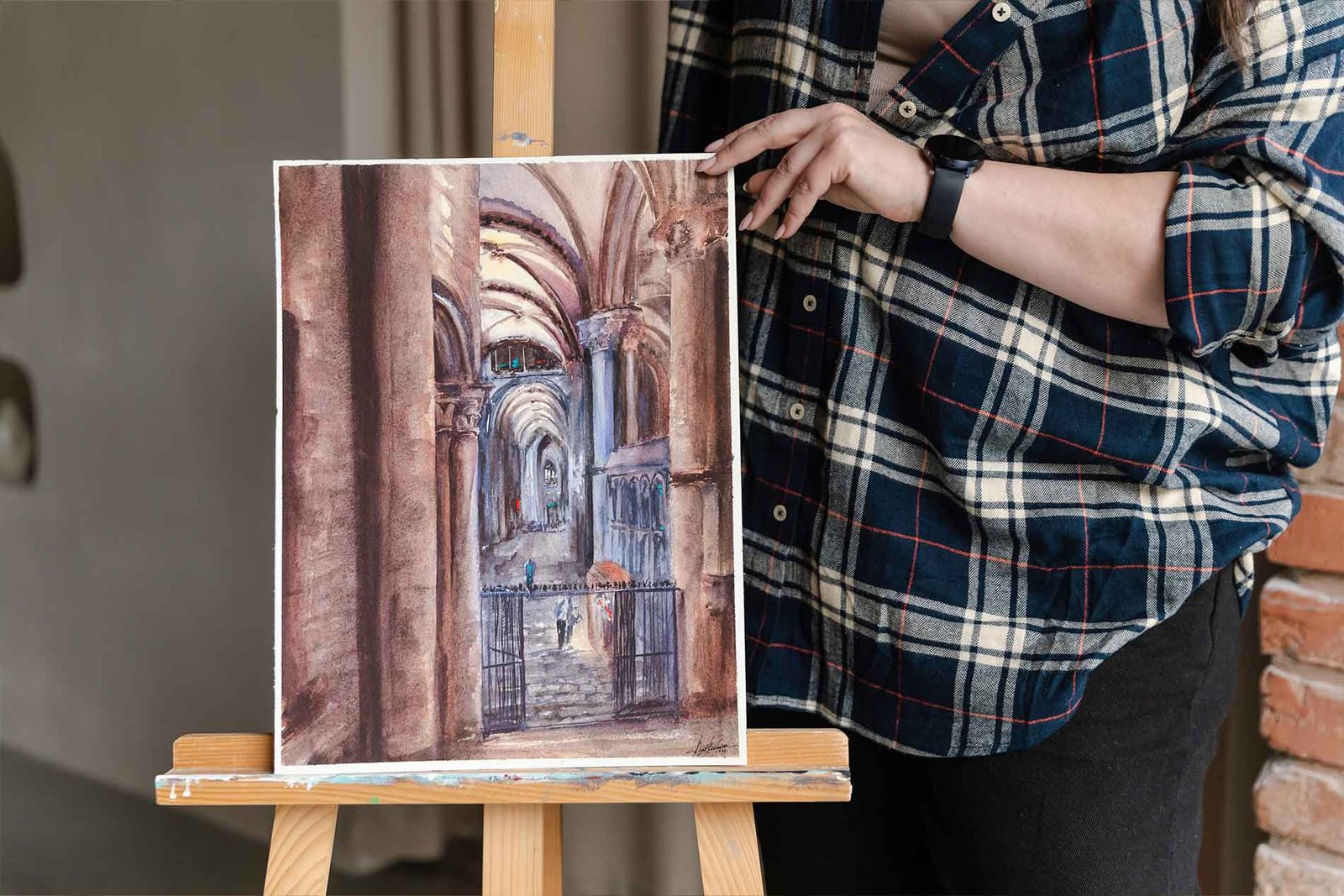
Through her mentorship, I came to understand something deeper. My work is not about correctness. It is about vision. My paintings are not simply watercolours; they are conversations between the fleeting and the enduring, between modern life and timeless architecture.
This is how I speak to the world now.
If you are reading this and wondering whether to take that step, whether to finally say yes, I am an artist, and yes, I will try to make this my career… then I will say to you:
Yes, it is scary. Yes, you will feel unready. But that is not a reason to stop. That is a reason to begin.
And find yourself a mentor…not to lead the way, but to help you find your way.
Share this article :
INSPIRED POST
Building an artist career: beyond the canvas
01/04/2026
How I organised my first solo art exhibition
10/10/2025
Becoming visible: my solo art
09/23/2025
The flavour of belonging:
08/21/2025
From silence to Castalia…
08/08/2025